
Yorkshire Dales River Trust and Skeeby Beck, Richmond
Follow the journey and successful completion of the Skeeby Beck ford removal project – one of the first construction projects supported by the Great Yorkshire Rivers core fund.
We hear from Sarah Lonsdale, Project Manager for the Yorkshire Dales Rivers Trust, who shares more on how this vital initiative – initially funded by the Environment Agency – is helping to restore fish populations and improve river health, successfully opening up 56km of river across Yorkshire.
Barrier to recovery
“An incident in 2023 was pretty horrific, virtually killing off all the fish in the beck. Our surveys indicated that the small amount of fish left in the catchment were struggling to re-populate due to their movement up and down the watercourse for food, refuge and breeding being severely impeded by the ford. ”
Dating back to pre-1970, the concrete ford at Skeeby Beck had become a significant barrier to river recovery. It diverted the channel through four narrow pipes that fish could not pass through, while burying gravels that provided vital feeding habitats.
Putting the plan in place
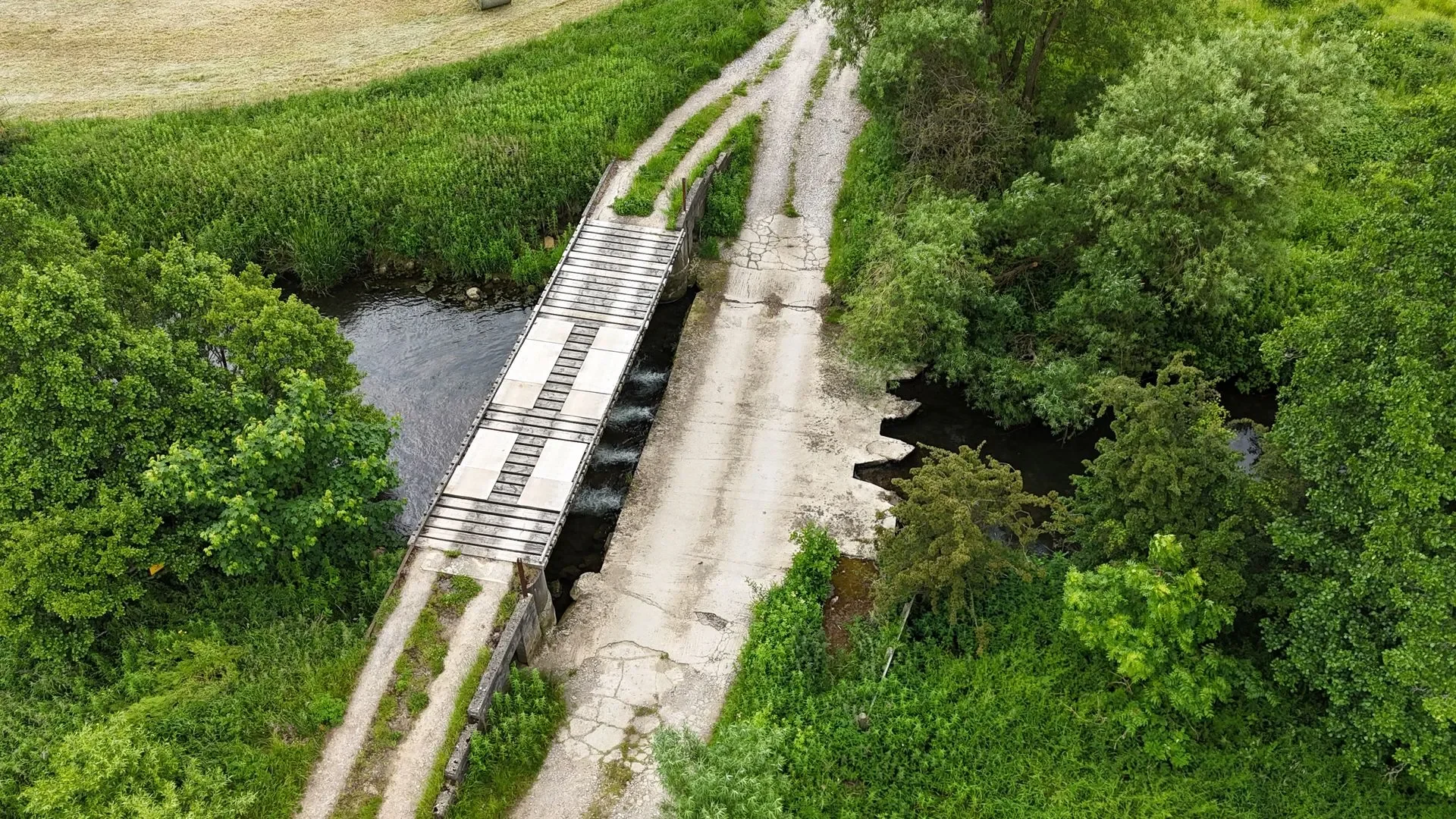
Discussions began in February 2024 with the landowner and tenant farmer to find a solution. Both were supportive of removing the ford, provided that access to their land for heavy farm and plant machinery could be maintained.
Once funding was in place, the trust carried out extensive groundwork:
Ground investigation surveys to understand the composition of the bankside soils, which was vital for the design of the replacement bridge.
Topographical surveys of the land and river channel and conducted modelling to understand how water flows through the site and how the channel behaves during flooding.
Further fish surveys and river habitat condition assessments to help understand the fish populations and their habitat needs.
These surveys provided valuable baseline data, allowing the team to monitor the impact of removing the barrier and measure how the stream responds over the coming years.
Building bridges
Once the location and design of the bridge was finalised, it was time to make the plans a reality.
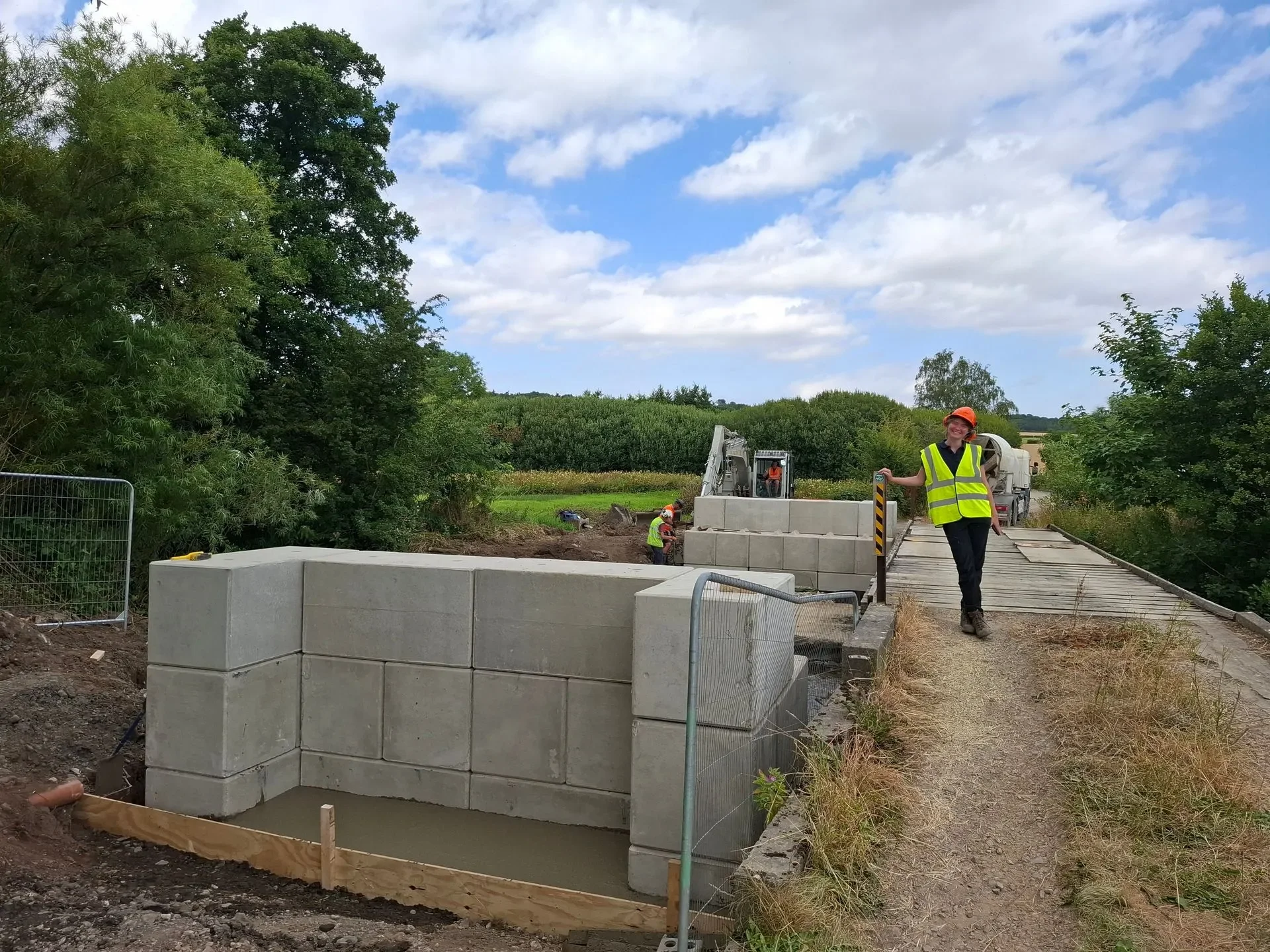
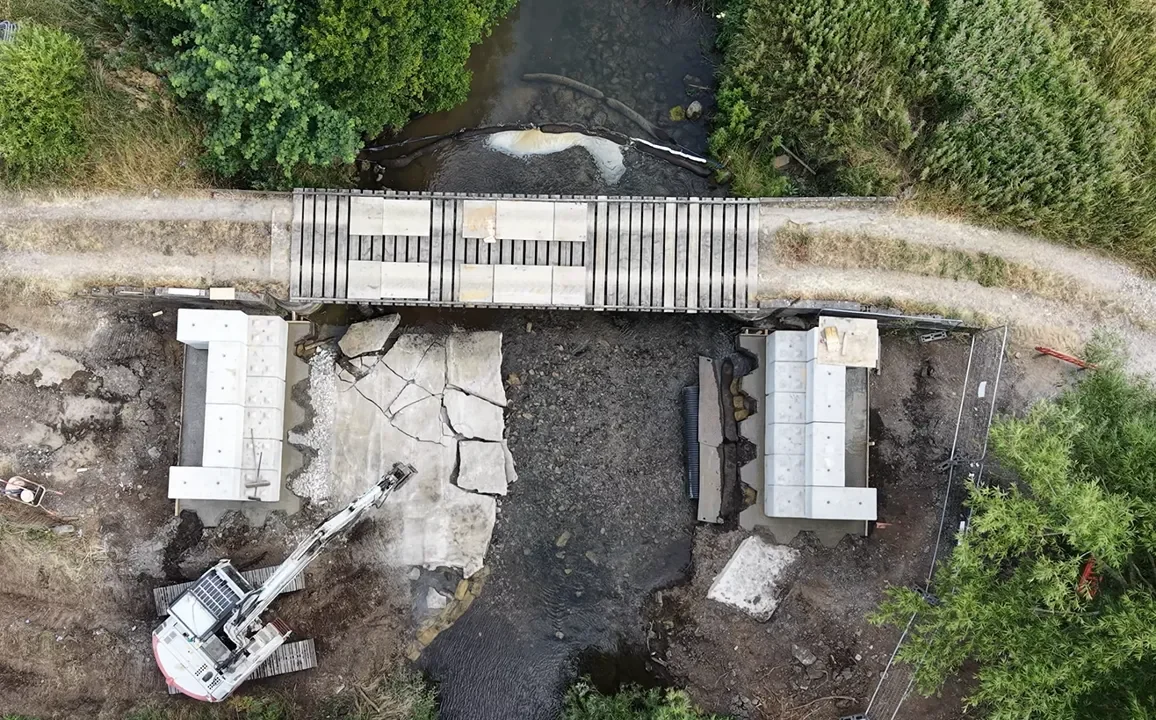
“It was exciting to put on my hard hat, welcome the excavator on site, and finally see the concrete ford broken up, revealing the gravels that had been buried beneath it for years,” Sarah recalled. “The bridge foundations and abutments were then installed, followed by the transverse steel beams and reinforced decking. After more than two years of planning, it was astonishing to see the project come together so quickly.”
Re-vegetating the riverbank
The final stage was restoration. Gilling West Fly Fishers and Richmond & District Anglers, as well as local volunteers have been a fantastic help in reseeding the newly exposed riverbanks with native wildflowers and plants.
The reseeded banks will provide valuable habitat for pollinators such as bees, while helping to stabilise the soil ahead of the winter months and protect the banks from erosion during higher flows.
Monitoring and data for success
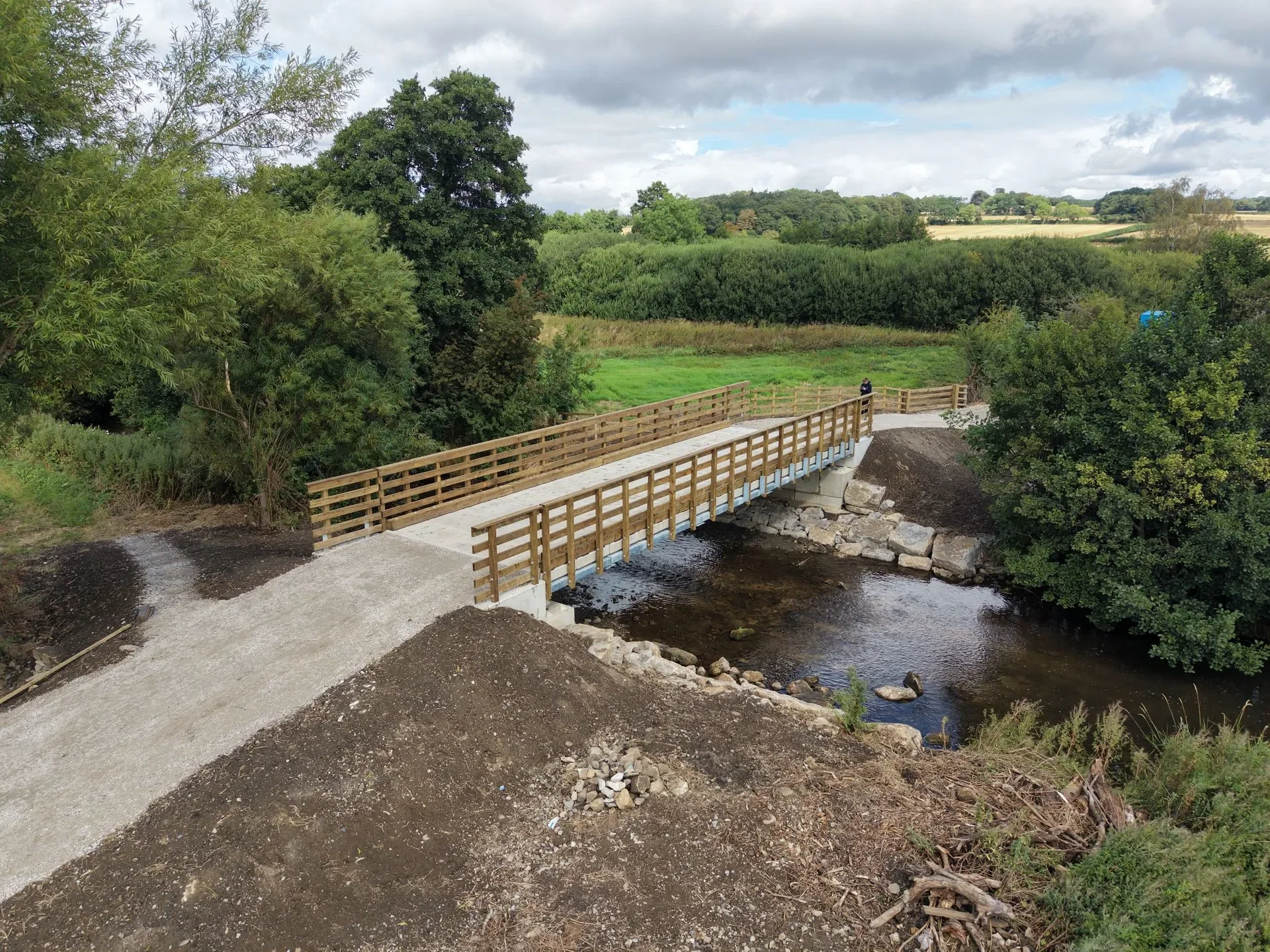
This project was completed in August 2026. Drone footage has been incredibly useful throughout the project, aiding in the planning, delivery and monitoring of the site. It will also continue to help us understand how Skeeby Beck responds now that the barrier has been removed and the stream is free to reclaim its natural course through the catchment.
To measure long-term success, the trust has also set up upstream and downstream riverfly monitoring sites to review the benefits of the ford’s removal for invertebrates, as well as fish. Local angling groups also carried out water sampling at the site, adding another layer of data to review the project’s success against.
“Following the removal of the old concrete ford we are already seeing an improvement in the quality of the riverbed within the beck, but we will continue to monitor the river morphology and fish stocks over the coming year.”
Looking to the future
Looking further ahead, there is a strong hope that the work to reconnect the river at Skeeby Beck will encourage special, endangered species – like Atlantic salmon and European eel, which are present in the Mid-Swale area – to find their way far upstream and move freely across the catchment.
Collaboration
A wide network of partners, contributed to the success of this project:
Initial Impact Assessment support from the Wild Trout Trust.
Initial project funding from the Environment Agency.
Funding and support from the Great Yorkshire Rivers project (a partnership between the Environment Agency, Yorkshire Water, the Rivers Trust and local catchment and charity partners).
All the contractors, community groups, volunteers and friends of Yorkshire.